Why Glamorous Women of the Past Still Influence Pop Culture
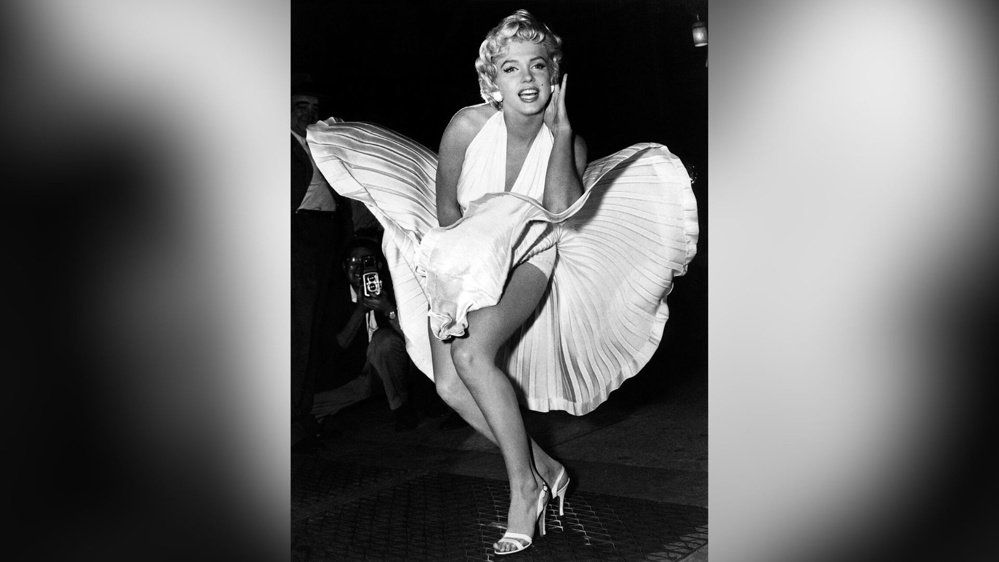
Glamorous women from the past didn’t just look good—they created moments people couldn’t forget. Whether it was a dress, a pose, or a single scene, they knew how to leave an impression that stuck long after the cameras stopped rolling. And somehow, those same looks and attitudes still show up everywhere today.
Scroll through red carpet photos or watch a music video, and you’ll start to notice it. The styling, the confidence, the way certain images feel instantly familiar—it’s not accidental. Modern pop culture keeps circling back to the same women who defined what glamour even looks like.
What Separates a Lasting Female Icon From a Passing Trend?
The difference between an icon and a trend usually comes down to clarity. Trends follow what’s popular in the moment, but icons present something consistent enough that people recognize it instantly. That recognition builds over time, turning a person into a reference point instead of just another face.
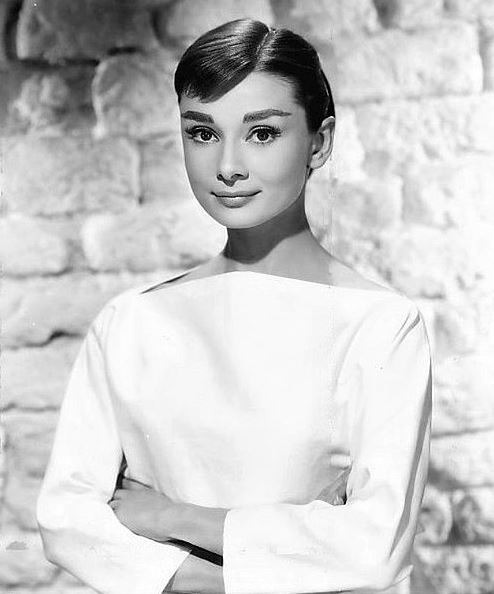
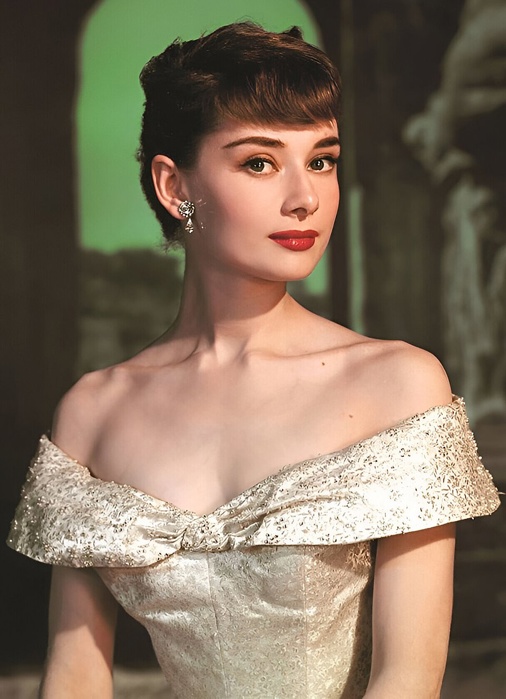
Many of the most enduring figures didn’t constantly chase new styles. Instead, they refined a specific look or attitude until it became unmistakable. Audrey Hepburn’s elegance, for example, wasn’t about variety—it was about precision. The same can be said for others who built a visual identity that didn’t need constant reinvention to stay relevant.
Over time, that consistency creates influence. Designers, stylists, and performers keep returning to those same ideas because they already work. What starts as personal style eventually becomes something much bigger—something others build on.
Why Visual Consistency Builds Long-Term Influence
Visual consistency is one of the strongest factors behind lasting cultural influence. When an image is repeated often enough with only slight variation, it becomes recognizable almost instantly. That recognition turns individuals into symbols rather than just public figures.
Many classic icons understood this instinctively. They didn’t constantly change direction—instead, they refined specific elements like silhouettes, color palettes, or styling choices until those details became associated with them. Over time, those choices created a visual shorthand that audiences could identify immediately.
This same principle still applies today. When a modern figure maintains a consistent visual identity, it becomes easier for audiences to remember and reference them. Consistency doesn’t limit creativity—it strengthens impact by making every variation feel intentional rather than random.
The Visual Templates That Pop Culture Still Borrows
Modern pop culture relies heavily on visual references that were established decades ago. Certain silhouettes, poses, and styling choices keep appearing because they’ve already proven effective. When something communicates glamour clearly, it tends to get reused.
You can see it in everything from fashion campaigns to music videos. The hourglass shape, the sleek black dress, the soft-focus lighting—these elements show up again and again. They create images that feel polished and dramatic without needing explanation.
That repetition isn’t laziness—it’s recognition. Audiences respond to visuals they already understand, even if they don’t realize where they’ve seen them before. These templates continue to work because they balance familiarity with impact.
How Film and Photography Preserved Iconic Images
Film and photography played a major role in turning glamorous figures into lasting cultural references. Unlike live performances or fleeting appearances, these mediums captured specific looks and moments that could be revisited indefinitely.
Iconic images—whether from classic films, studio portraits, or magazine covers—became fixed points in visual culture. Lighting, composition, and styling worked together to create images that felt timeless rather than tied to a single era. These visuals continue to influence how beauty and glamour are presented today.
Because these images are constantly reused and referenced, their influence extends far beyond their original context. They provide a visual archive that designers, photographers, and performers continue to draw from, keeping those original ideas active across generations.
Check out MrPopCulture.com and learn more about pop culture trends in glamorous women and their fashion.
How These Women's Fashion Choices Still Influence Designers Today
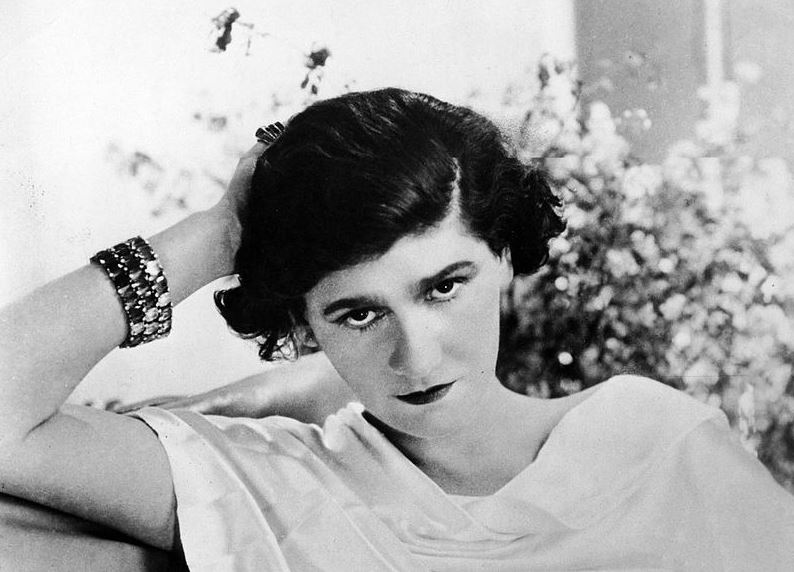
Many modern fashion choices are built on decisions made decades ago by women who challenged expectations. Coco Chanel’s move toward comfort and structure reshaped how clothing was designed and worn. That shift still defines everyday fashion.
Other designers focused on movement and construction. Techniques like the bias cut introduced a more natural flow to garments, something that still appears in contemporary evening wear. These changes weren’t just stylistic—they altered how designers approached clothing entirely.
Because of this, their influence runs deeper than inspiration. Today’s designers aren’t just referencing past looks—they’re working within systems that were created long ago. The foundation continues to shape how fashion evolves.
Why the Greatest Female Icons Were Always Reinventing Themselves
Reinvention wasn't accidental for the greatest female icons—it was a deliberate refusal to let industry definitions calcify into identity. Their persona shifts weren't crises; they were calculated moves grounded in personal values. Consider what drove their artistic evolution:
- Grace Jones pushed self-expression across decades, never repeating herself
- Madonna redefined beauty standards by embracing cultural change rather than resisting it
- Rihanna transformed her image repeatedly, each shift expanding norms rather than chasing trends
You can see the pattern clearly: these women reordered priorities, set firm boundaries, and converted fame into access for meaningful pursuits. Cameron Diaz stepped away from acting entirely, dismantling prior notions of success.
Alek Wek leveraged runway visibility to gain access to decision-making rooms on refugees and representation, treating humanitarian work and modeling as a single integrated force rather than competing tracks. Reinvention wasn't about reinventing for audiences—it was about refusing to let external ideals override internal authenticity.
Why Some Icons Became More Influential After Their Careers Ended
Some icons don't peak during their careers—they peak long after. Posthumous mythmaking transforms real people into cultural legends, amplifying their influence far beyond what they achieved while alive. Freddie Mercury's AIDS activism gained global reach after his death. John Lennon's music kept inspiring new artists decades after his passing. Ruth Bader Ginsburg became a civil rights symbol only after her career ended.
Media resurgences also reshape legacies. Johnny Cash's American Recordings revival introduced him to entirely new audiences in the 1990s. Streaming platforms now resurface archived work, letting younger generations discover icons they never witnessed firsthand.
You see this pattern repeatedly—narrative control shifts from the person to public memory. Their barrier-breaking moments get idealized, their flaws fade, and their influence only deepens with time. Coco Chanel's designs, including her revolutionary little black dress, continue to shape fashion trends and public perceptions of style long after her era ended.
Why Female Icons' Barrier-Breaking Moments Still Resonate Today
When a teenage girl stands up to the Taliban and survives, or a Black woman rewrites what literature can say about human suffering, something shifts in the cultural imagination—and it doesn't shift back. These resilience narratives don't just inspire—they drive policy impact, reshape industries, and reset expectations for generations after. You still feel their influence because they permanently changed the rules:
- Malala's survival sparked global education reform conversations
- Toni Morrison's Nobel win legitimized Black women's literary voices institutionally
- Billie Jean King's equal prize money fight restructured professional sports economics
These weren't symbolic gestures—they were structural shifts. When you see a girl in school today or a woman directing blockbusters, you're witnessing those moments still working. Hedy Lamarr's frequency-hopping invention, developed to protect wartime torpedo signals from jamming, became the foundational technology behind Wi-Fi, Bluetooth, and GPS.
How Modern Female Icons Still Use the Same Blueprint
Even with new platforms and faster trends, the core strategy behind influence hasn’t changed much. Modern icons still build their presence around a strong sense of identity, clear visual direction, and consistent presentation. These elements make them recognizable, even as styles shift around them.
Celebrities like Zendaya and Rihanna often blend past and present in a way that feels intentional. They draw from established aesthetics—whether it’s Old Hollywood glamour or minimalist 90s fashion—while adapting those ideas to fit current culture. This balance allows their image to feel both familiar and forward-looking at the same time.
What has changed is the speed and scale of visibility. Social media allows these choices to spread instantly, turning a single appearance into a global reference point. Despite that acceleration, the foundation remains the same—clarity, repetition, and a defined point of view continue to shape lasting influence.
How Social Media Amplifies the Legacy of Classic Icons
Social media has made it easier than ever for classic icons to remain part of everyday visual culture. Old photographs, film clips, and iconic fashion moments are constantly shared, reshaped, and reintroduced to new audiences who may not know their original context.
Many modern trends begin with rediscovery rather than invention. A vintage look resurfaces online, gets reinterpreted by creators, and quickly spreads across platforms. What once belonged to a specific decade becomes part of the present again, often with only slight updates.
This continuous circulation keeps past influences active instead of historical. Rather than fading into archives, these images remain visible and relevant through repetition. Social media doesn’t just preserve legacy—it keeps it in motion.
Why Nostalgia Keeps Glamour Alive in Pop Culture
Nostalgia plays a powerful role in why classic glamour continues to return. People are naturally drawn to styles that feel familiar, especially when they carry a sense of refinement that stands apart from everyday trends. That familiarity creates immediate appeal.
Classic glamour often represents a level of polish and intention that contrasts with more casual, modern aesthetics. When these elements reappear—whether through fashion, film, or celebrity styling—they create a visual shift that feels elevated and distinct.
Because of this, older styles rarely disappear completely. They move in cycles, returning whenever audiences look for something more structured or expressive. Nostalgia acts as a bridge, bringing past ideas back into current relevance without losing their original impact.
How Glamour Became a Language of Influence
Over time, glamour has evolved into more than just appearance—it has become a way of communicating identity. The way someone dresses, poses, or presents themselves can signal confidence, intention, and control without needing explanation.
Many of the most influential figures understood this early on. Their choices weren’t random; they were carefully constructed to shape perception. From clothing to posture, every detail contributed to a clear and recognizable image.
That same principle still applies today. Public figures use styling and presentation as a form of expression, shaping how they are seen across different platforms. Glamour functions as a visual language—one that continues to define influence in modern pop culture.
Conclusion
The influence of glamorous women from the past continues because it was built on clarity and intention rather than temporary trends. Their images and decisions created a foundation that modern culture still relies on. As the media continues to evolve, that influence isn’t fading—it’s expanding. New platforms keep reintroducing these ideas, ensuring they remain part of how pop culture defines style and identity moving forward.