Interesting Facts About Glamour History That Still Influence Beauty Today
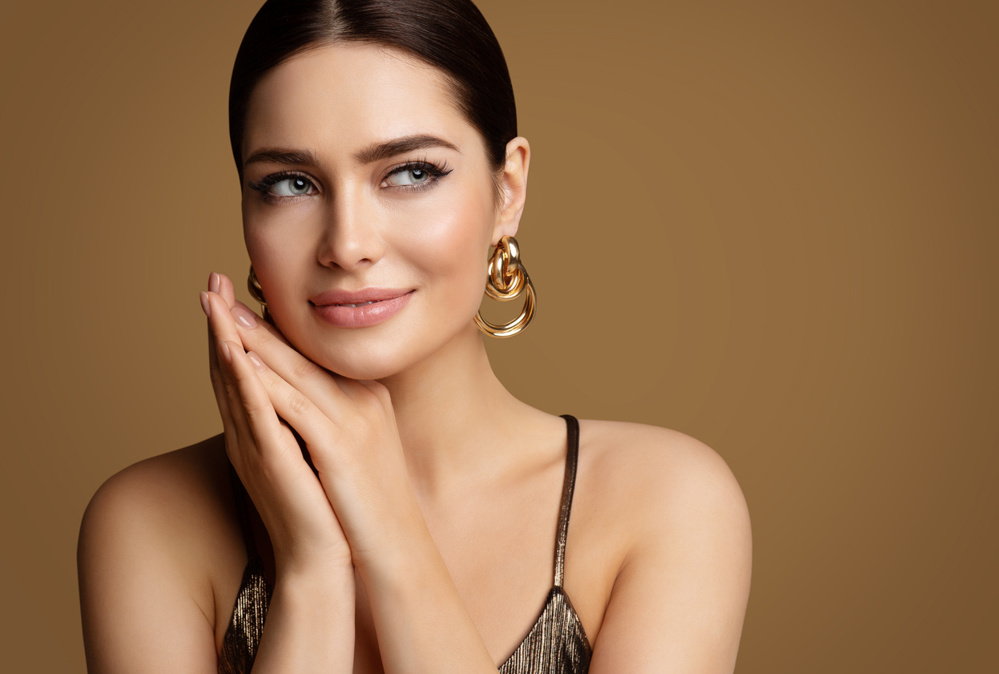
You’re not just following beauty trends—you’re repeating history. The way you line your eyes, choose lipstick, or style your hair has roots that go back thousands of years. What feels modern often isn’t new at all; it’s a refined version of something that already worked.
From ancient rituals to Hollywood’s carefully crafted image-making, beauty has always been tied to culture, power, and identity. Once you start noticing these patterns, it becomes clear that glamour isn’t constantly reinvented—it’s continuously adapted.
How Ancient Egypt Shaped Modern Eye Makeup
Modern eye makeup traces directly back to ancient Egypt, where cosmetics were part of daily life rather than occasional use. Both men and women applied kohl not only for appearance but also for protection and cultural expression. Makeup was tied to spirituality, health, and status, making it far more significant than simple decoration.
The materials and techniques they used were surprisingly advanced. Kohl, made from minerals like galena and malachite, reduced glare from the sun and helped protect against infections. Application tools allowed for precise, almond-shaped designs that emphasized the eyes in a way that still feels familiar today.
That influence never disappeared. Modern eyeliner, smoky eyes, and long-wear formulas all follow the same core idea—defining and protecting the eye area while creating visual impact. What began as a practical and symbolic practice became one of the most enduring elements of beauty.
What Did Cleopatra's Kohl Eyeliner Really Mean Culturally?
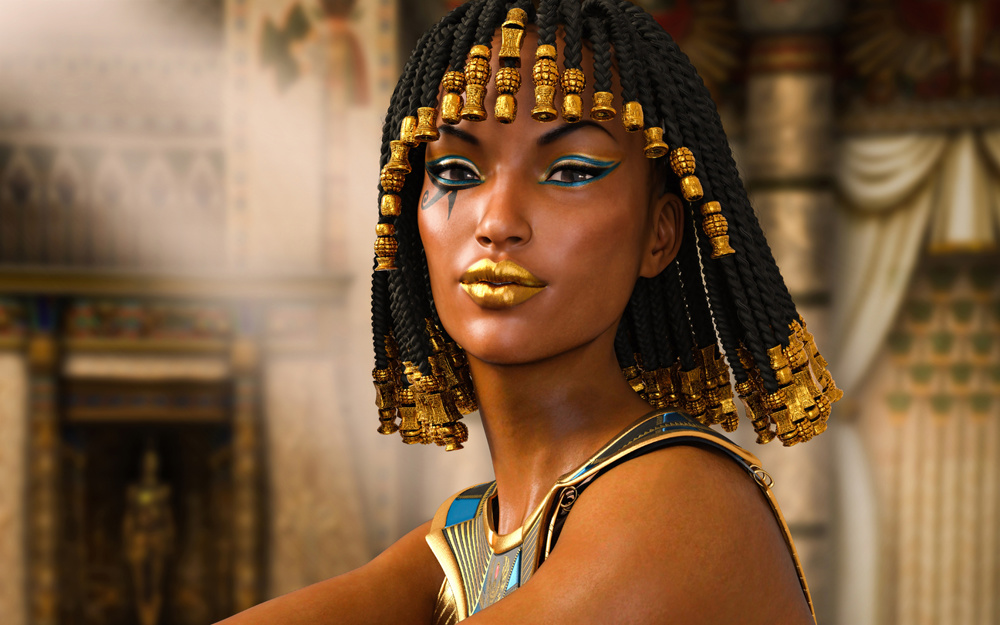
Cleopatra didn’t just wear makeup—she used it as a form of communication. Her bold eyeliner wasn’t only about appearance; it reinforced her identity as a powerful figure connected to divine symbolism. Every detail of her presentation contributed to how she was perceived politically and culturally.
The eyeliner also served practical purposes. It protected against harsh sunlight and environmental irritants, showing how beauty and function were closely connected. This dual purpose made cosmetics both useful and meaningful in everyday life.
Today, that same bold liner carries a sense of confidence and control. While the context has changed, the message remains similar. Strong eye makeup still signals intention, making Cleopatra’s influence more than historical—it’s part of how beauty communicates power today.
The Victorian Beauty Standards We Still Haven't Escaped
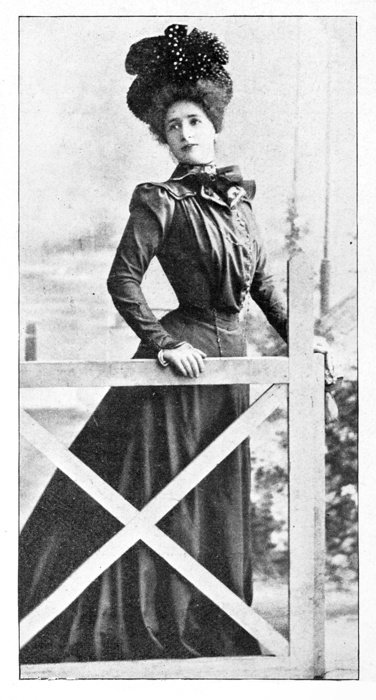
Victorian beauty ideals continue to shape modern preferences more than most people realize. Pale skin, delicate features, and restrained makeup defined the era, creating a standard associated with refinement and status. These ideas didn’t disappear—they quietly evolved.
Many modern trends reflect those same values. Minimal makeup looks, soft tones, and “clean” aesthetics echo Victorian restraint, even if the products and techniques have changed. The emphasis on subtle enhancement rather than bold transformation remains familiar.
These standards persist because they established a clear visual framework. Once a look becomes associated with elegance and social status, it tends to resurface repeatedly. Victorian beauty didn’t stay in the past—it became part of the foundation for what is still considered classic.
How Flappers Turned Lipstick Into a Political Statement
In the 1920s, beauty became a form of rebellion. Flappers used makeup—especially bold red lipstick—as a way to challenge traditional expectations placed on women. Short hair, visible cosmetics, and expressive style marked a shift toward independence and self-expression.
Unlike earlier eras, makeup was no longer hidden or subtle. It became visible, intentional, and tied to identity. Lipstick, in particular, symbolized freedom, moving away from quiet refinement toward something more direct and assertive.
That shift changed how beauty was perceived. Makeup became a tool for expression rather than conformity. Today’s bold lip trends still carry that sense of confidence, reflecting a moment when beauty moved from private ritual to public statement.
How Hollywood's Golden Age Invented Celebrity Beauty Standards
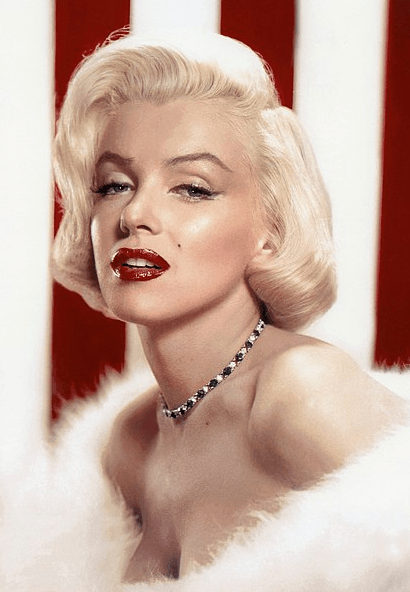
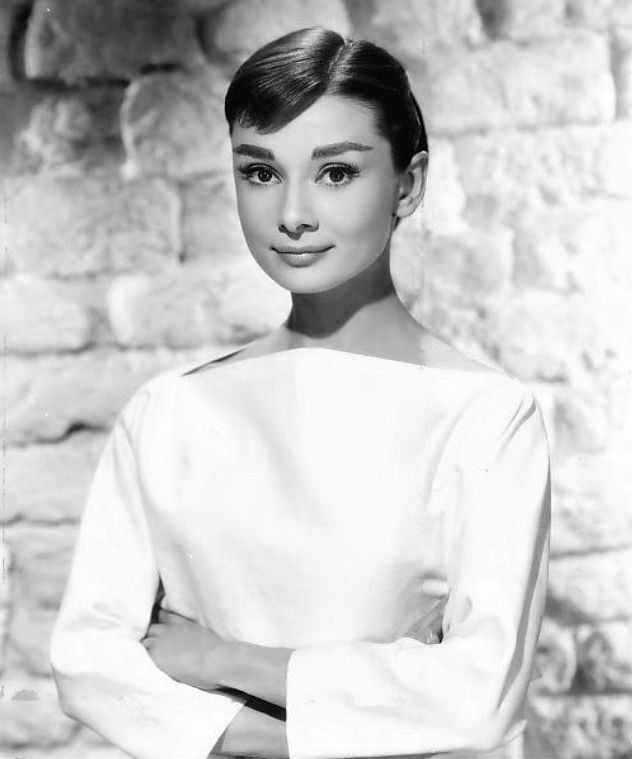
Hollywood's Golden Age didn't just reflect beauty standards — it manufactured them. Studios controlled everything through aggressive studio grooming and celebrity sculpting, reshaping actors into marketable icons.
Here's what that really looked like:
- Stars like Marilyn Monroe and Audrey Hepburn had their entire personas engineered by studio executives.
- Judy Garland endured strict, studio-controlled diets from childhood to meet rigid appearance demands.
- Rita Hayworth underwent painful electrolysis to erase her ethnic features and fit a white Western beauty ideal.
- Joan Crawford soaked her eyes in boric acid to achieve an on-screen sparkle.
- Studios dictated diets, appearances, and personal lives to maintain glamorous, larger-than-life images.
These weren't personal choices — they were corporate mandates that permanently shaped how you define feminine beauty today. The silver screen functioned as a mirror reflecting society's deepest aspirations and desires, making Hollywood's manufactured ideals feel natural and aspirational to millions of everyday women.
Step deeper into the world of glamour history with more fascinating facts and trivia.
Why Did the 1950s Hourglass Figure Never Really Go Away?
Decades after Marilyn Monroe and Grace Kelly graced movie screens, the 1950s hourglass figure still shapes how you measure an ideal body. That 36-26-36 silhouette — full bust, tiny waist, wide hips — never truly disappeared. It evolved, embedding itself into every decade's beauty standard that followed.
You can trace its influence through the 1990s thin-with-curves ideal, today's surgical pursuit of large breasts and slim waists, and the ongoing corset resurgence dominating modern fashion. Body nostalgia keeps pulling culture back to that postwar domestic glamour, repackaging it for new generations.
What the 1950s established wasn't just a silhouette — it was a measuring system. Advertisements, Hollywood, and pin-up culture built an aspirational template so deeply ingrained that plastic surgery now does what girdles once handled. Icons like Brigitte Bardot, Elizabeth Taylor, and Bettie Page embodied this standard, making coquettish domestic glamour inseparable from the era's definition of feminine desirability.
Why Women Endured Dangerous Beauty Practices Throughout History
Chasing an ideal silhouette has never been a purely modern obsession — women have risked their lives for beauty across every era. Social coercion normalized dangerous health tradeoffs, convincing women that suffering was simply the price of beauty. Here's what that actually looked like:
- Arsenic wafers were marketed as safe daily supplements for fashionable pale skin
- Belladonna eyedrops dilated pupils seductively while causing blindness and hallucinations
- Lead-based ceruse created ghostly paleness but triggered neurological damage and chronic poisoning
- X-ray hair removal surged in popularity despite documented cancer risks
- Radium cosmetics promised glowing skin while delivering radiation sickness and death
You're seeing a pattern: beauty standards weren't passive preferences — they were enforced expectations women navigated at enormous personal cost. Arsenic-laced wallpaper decorated fashionable Victorian homes while silently releasing toxic contamination into the air, particularly in damp conditions.
The Bold 1980s Trends Making a Comeback Right Now
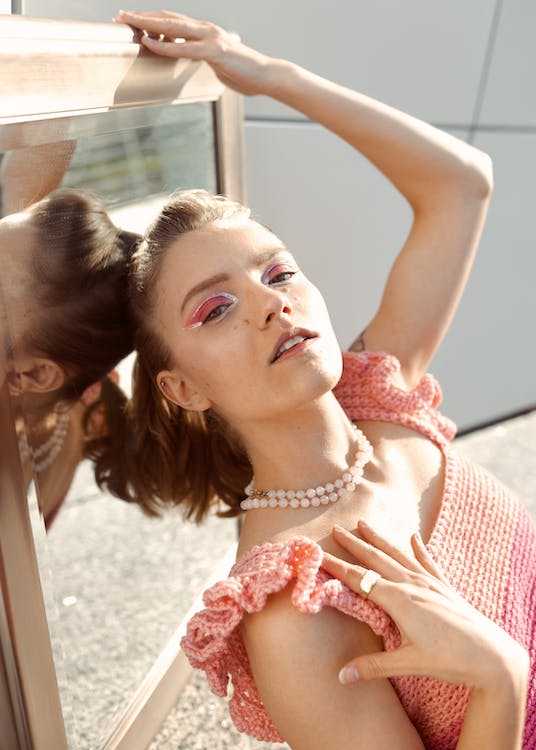
The 1980s embraced boldness in a way that still feels distinctive today. Bright colors, strong shapes, and expressive styling defined the decade, creating looks that prioritized visibility and individuality. It was a period where beauty leaned into excess rather than restraint, making every element feel intentional and noticeable.
These elements are returning in updated forms. Bright eyeshadow, structured brows, and statement looks are appearing again, but with more refined application and modern textures. Creamier formulas, better blending techniques, and wearable variations make these looks easier to adapt to everyday settings.
This comeback highlights how contrast drives trends. When minimalism dominates, bold styles feel fresh again. The 1980s continue to influence beauty by offering a clear alternative—one that values expression, confidence, and visual impact over subtlety.
How TikTok Resurrected 1920s Flapper and 1950s Pin-Up Aesthetics
Social media has a way of pulling forgotten eras back into the spotlight, and TikTok has done exactly that with two of history's most glamorous aesthetics — the 1920s flapper and the 1950s pin-up. Through vintage remix culture and dance revival trends, creators are breathing new life into these iconic looks. Here's what you'll notice driving these revivals:
- Fringe dresses and beaded headbands reappearing in styling videos
- Bobbed haircuts trending alongside Charleston-inspired choreography
- Pin-up silhouettes featuring high-waisted skirts and bold red lips
- Modern creators blending vintage tailoring with contemporary streetwear
- Tutorials teaching period-accurate makeup techniques to millions of viewers
You're witnessing history repeat itself — not as imitation, but as reinvention, proving these aesthetics never truly disappeared. The flapper era's bobbed haircut and makeup have been recognized as iconic symbols of a movement that also advanced women's rights and drove lasting social change.
What Beauty Editors Still Steal From History's Glamour Eras
Beauty editors have always raided history's archives, and what they keep borrowing proves certain techniques are simply unbeatable. You'll spot 1930s powdered skin finishes transformed into today's airbrushed complexions, while Rita Hayworth's matte crimson lips still shape modern red lip formulas.
Vintage skincare approaches like ivory highlighting mirror old Hollywood contouring methods you now see across editorial textures in high-fashion shoots. Clara Bow's bobbed haircuts resurface as textured bobs, and Twiggy's thick false lashes directly guide today's layered lash applications.
Pinup winged liner sharpened into the cat-eye you're still seeing on every runway. Victory rolls evolved into slicked updos, and Gatsby-era metallic shadows reappear as contemporary metallic eyeliners. History doesn't just inspire editors — it hands them a proven formula they're unwilling to abandon. The most enduring editorial voices understood that beauty coverage should celebrate readers as cool, chic, and beautiful rather than framing them as flawed problems in need of fixing.
Why Beauty Trends Keep Cycling Instead of Disappearing
Beauty trends rarely disappear completely. Instead, they move in cycles, returning in slightly altered forms over time. What feels outdated in one era often becomes appealing again once enough time has passed, especially when a new generation encounters it without the same context.
This happens because trends respond to contrast. When minimalism dominates, bold styles return to create balance. When dramatic looks are common, simplicity becomes more appealing. Cultural shifts, media influence, and changing aesthetics all contribute to these reversals, allowing older ideas to re-enter the conversation in updated ways.
This cycle keeps beauty dynamic. Rather than progressing in a straight line, trends evolve through repetition and reinterpretation, ensuring that past influences remain active within modern aesthetics. Each return adds slight adjustments, keeping familiar ideas relevant without feeling identical.
How Glamour Became a Tool for Identity and Influence
Glamour has always been about more than appearance. It functions as a way to communicate identity, intention, and status without explanation. The way someone presents themselves visually shapes how they are perceived, often before they speak or act.
Historical figures understood this clearly. Their styling choices were deliberate, creating a consistent image that audiences could instantly recognize. From makeup to clothing, every detail contributed to a larger identity that extended beyond individual looks and into public perception.
Today, that same principle applies. Public figures use beauty as part of their overall presence, reinforcing how glamour continues to shape influence. In a highly visual culture, appearance becomes a strategic tool—one that communicates personality, values, and authority without needing explanation.
Conclusion
Glamour history isn’t separate from modern beauty—it’s part of it. Every trend, technique, and standard builds on ideas that have already been tested and refined over time. As beauty continues to evolve, it will keep drawing from the same foundations. The styles may change, but the influence remains, proving that glamour is less about reinvention and more about continuity.